
Stage Lighting for Worship: Creating Depth with Backlighting and Atmosphere
![[HERO] Stage Lighting for Worship: Creating Depth with Backlighting and Atmosphere](https://cdn.marblism.com/5RFFY27Nctd.webp)
So, you’ve mastered the front wash. You’ve got the skin tones looking creamy and natural thanks to the RGBW secret, and your pastor no longer looks like they’ve spent a week in a tanning bed gone wrong. You’re feeling pretty good about things: until you look at the livestream.
Suddenly, all that hard work feels... flat. Your worship leader looks like a cardboard cutout glued onto a black piece of construction paper. There’s no dimension, no "pop," and frankly, the stage looks like a giant black void where depth goes to die.
If you’ve ever felt like your stage looks two-dimensional on camera, you’re missing the third and final piece of our CMY color-themed series. We’ve done Magenta (Part 1: The Basics), we’ve done Cyan (Part 2: The RGBW Secret), and today, we’re finishing strong with Yellow: The Atmosphere.
Let’s talk about how to use backlighting and haze to create a stage that actually looks like a 3D space, even through a smartphone lens.
Why Does Everything Look So Flat? (The 2D Struggle)
Here’s the reality check: Front lighting is designed to make things visible. It’s functional. But front lighting, by its very nature, fills in shadows. While that’s great for seeing faces, it’s terrible for creating depth. Depth is created by the interplay of light and shadow.
When you only light from the front, you’re effectively "pasting" the person onto the background. The camera: which isn't nearly as good as the human eye at perceiving depth: struggles to tell where the person ends and the back wall begins. This is why small, traditional churches often struggle with the "floating head" syndrome on their YouTube clips.
To fix this, we need to stop thinking about lighting as a way to "see" and start thinking about it as a way to "sculpt."
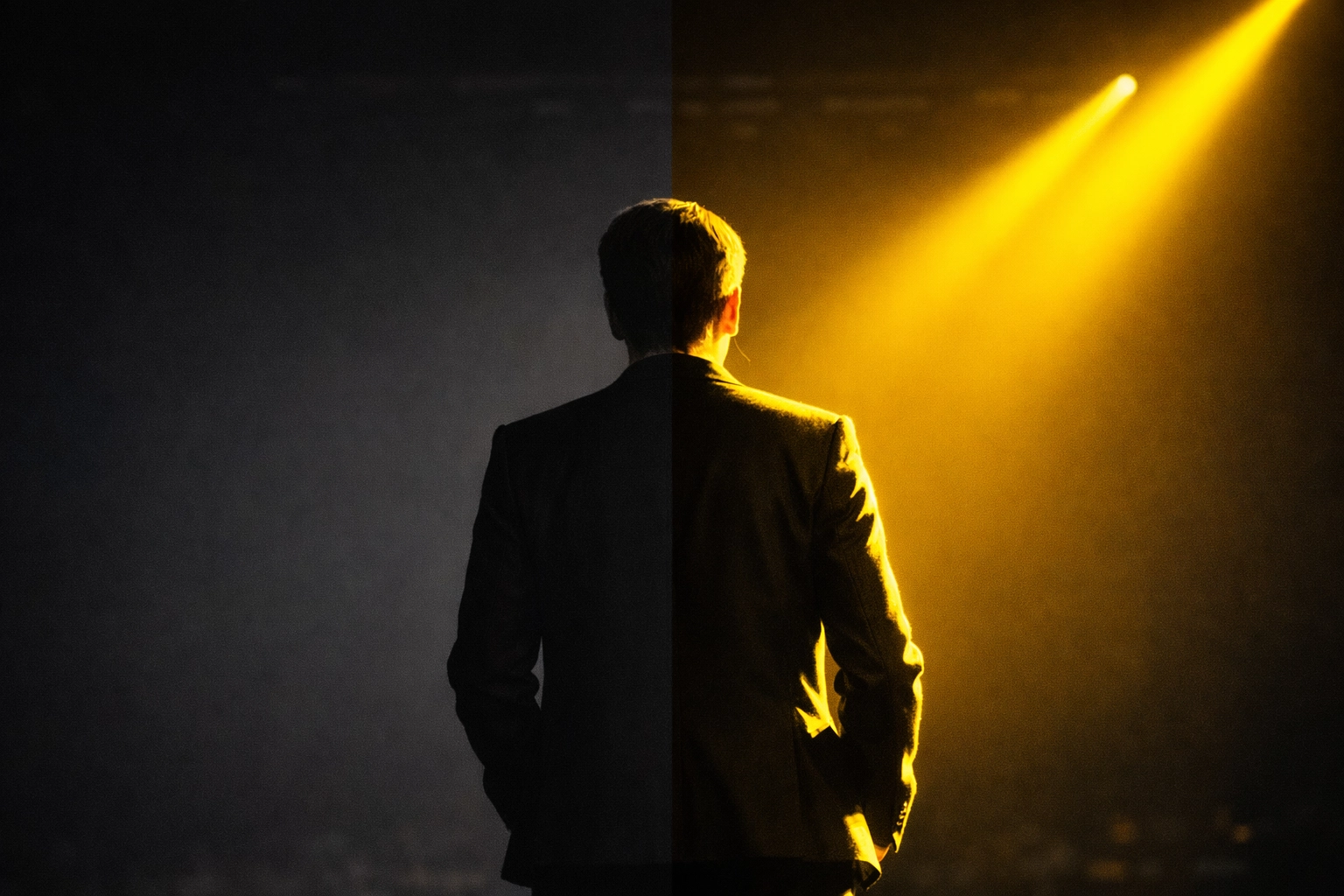
The Magic of Backlighting (Or, How to Give Your Pastor a Halo)
Backlighting (sometimes called "rim lighting" or "hair lighting") is exactly what it sounds like: lights placed behind your subjects, pointing toward their backs and the back of their heads.
Honestly? This is the single most important technique for making a volunteer-led stage look like a professional production. Here’s why:
- The Halo Effect: Backlighting creates a thin "rim" of light around the edges of the person’s shoulders and hair. This bright outline physically separates them from whatever color or darkness is behind them.
- Texture: It highlights the texture of clothing and hair, which adds a sense of "touchable" reality to the video feed.
- Visual Interest: It allows you to introduce color without affecting the skin tones on the person’s face. You can wash the back of the stage in a deep blue or a warm yellow (see what I did there?) while keeping the front light a perfect, crisp white.
If you’re looking for a fixture to handle this, the Pioneer Fresnel Series is a fantastic option for a soft, adjustable back-wash, or you can go more dynamic with something from our Moving Lights category.
Pro Tip for Backlighting
Don’t point the backlights straight down. Aim them at about a 45-degree angle toward the back of the person’s head. If they’re too steep, you just get a bright spot on the top of the head (the "balding" effect: and trust me, your pastor won't thank you for that). If they’re too low, they’ll shine right into your camera lenses and cause unwanted flare.
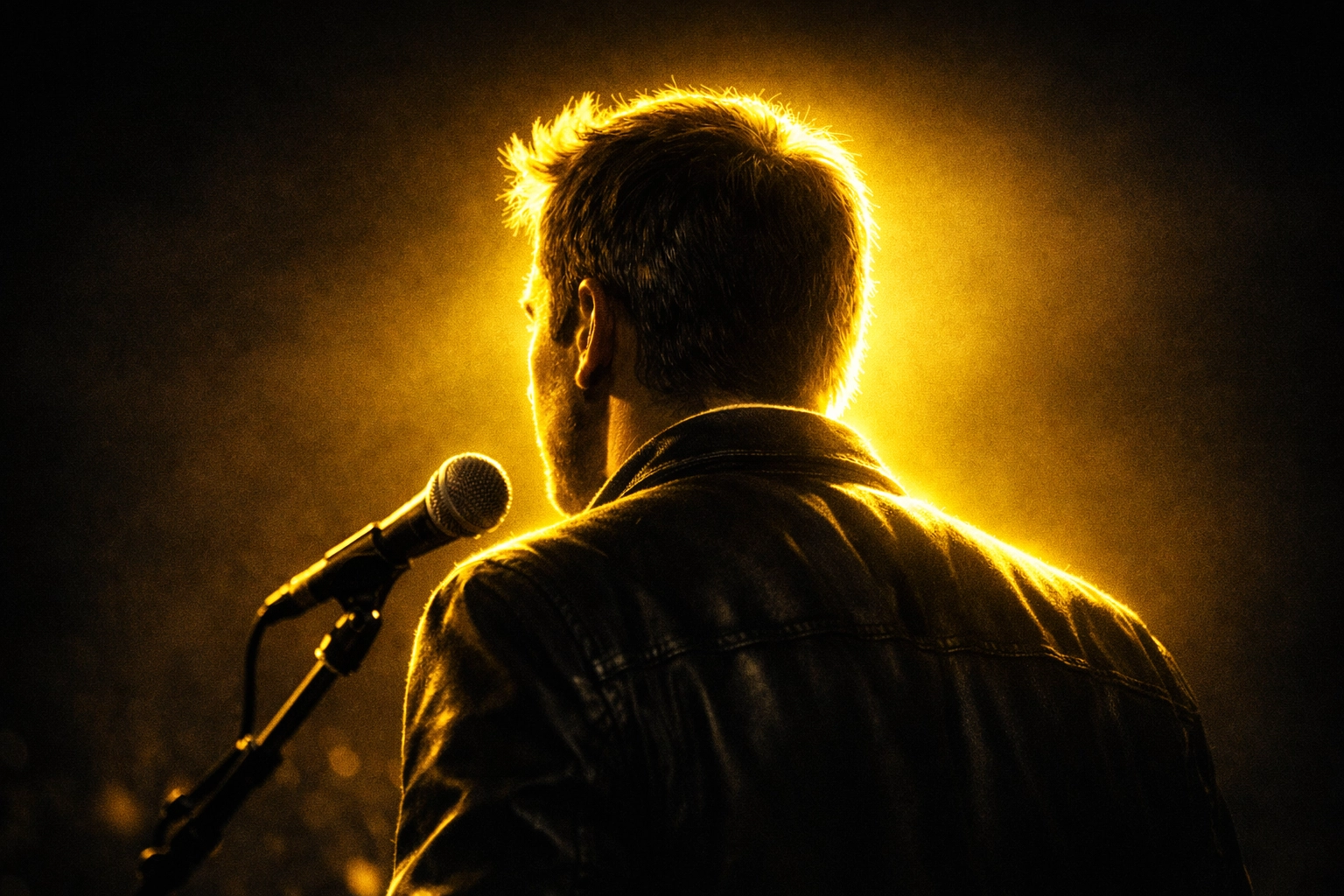
Haze vs. Smoke (It’s Not a 1980s Hair Metal Video)
Now, let’s address the elephant in the room: Haze.
Whenever I mention "atmosphere" to a traditional church board, someone inevitably says, "We don't want it to look like a rock concert!" or "The smoke makes me cough!"
Let’s clear this up once and for all: Haze is not smoke.
- Smoke/Fog: Think of a Halloween party or a Broadway play. It’s thick, it’s billowy, it moves in clouds, and it’s meant to be seen as a cloud. It’s distracting and usually too heavy for a standard worship environment.
- Haze: Think of a humid morning in the woods. Haze is a fine mist of particles that hangs evenly in the air. It’s designed to be almost invisible until light hits it.
Why do you need it? Because light is invisible until it hits something.
Think about a laser pointer in a clean room. You see the dot on the wall, but you don't see the beam. But if you slap two dusty erasers together in the air? Suddenly, you see the whole beam. Haze provides those "invisible erasers" for your stage lights.
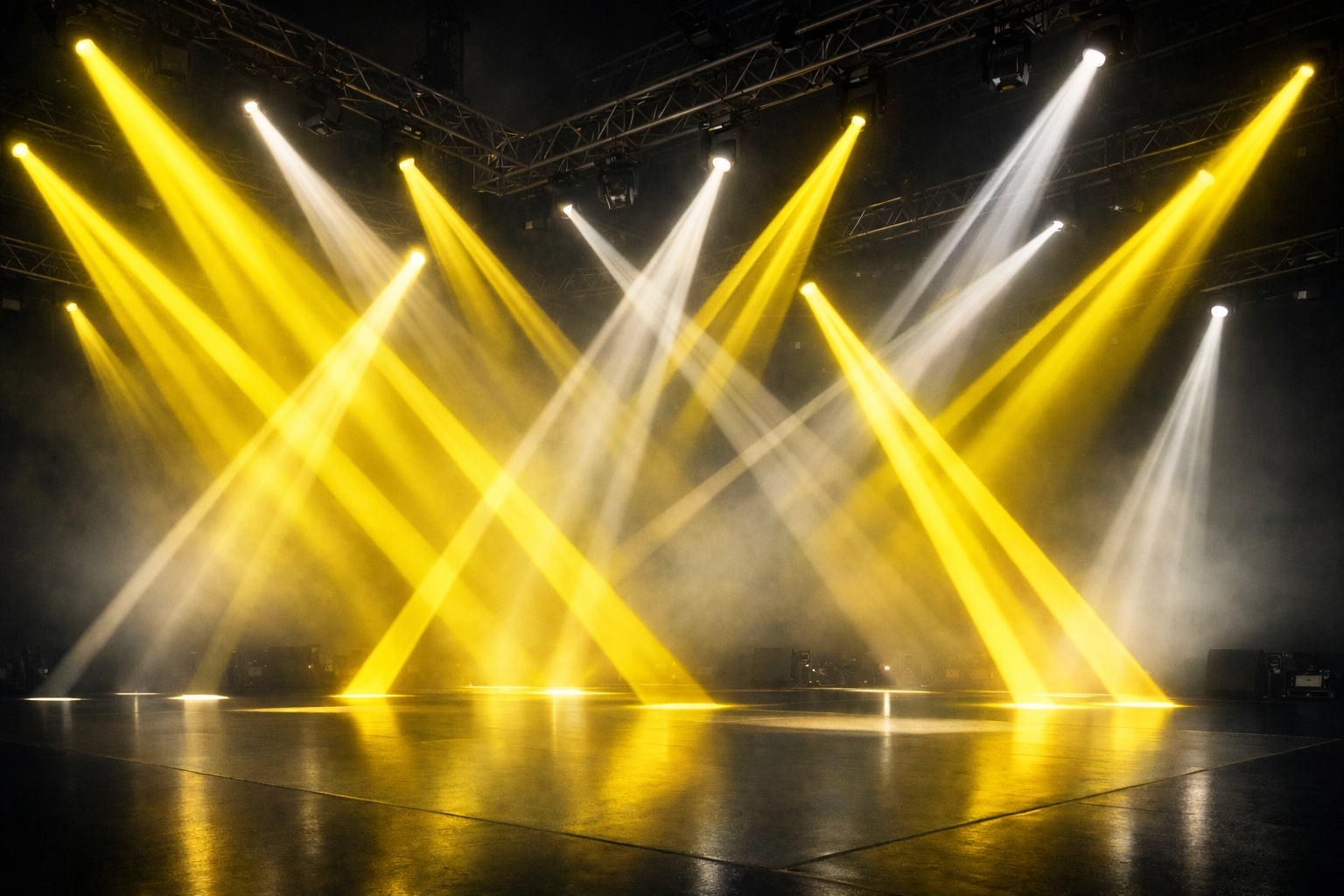
Without haze, your expensive Hero 400BSW moving lights are just colorful circles on the floor. With haze, they are powerful architectural pillars of light that define the space and create incredible depth.
Creating Architecture with Beam Angles
Once you have a little bit of atmosphere in the room, you can start playing with beam angles to create "layers."
Instead of pointing everything at the center stage, try crossing your beams. Have a light from the back-left point toward the front-right, and vice versa. When these beams intersect in the haze, they create a visual "web" that gives the eye something to lock onto besides just the person speaking.
This is where Moving Lights really shine. Even if you aren't moving them during a song, the ability to position them precisely to create these layers of light is a game-changer.
Keeping it Simple for Volunteers
I know what you're thinking: "James, I have one volunteer and he’s eighty years old. He’s not going to be 'sculpting with light' while also trying to find the 'Go' button."
I hear you. That’s why we focus on set-and-forget depth.
- Static Backlighting: You don't need to move your backlights. Mount a few LED Pars or Fresnels behind your stage, set them to a warm amber or a soft blue, and leave them there.
- Controlled Atmosphere: Get a hazer with a timer or a low-output setting. Turn it on 30 minutes before service starts so it has time to distribute evenly. You don't want "puffs" of haze; you want a consistent, thin veil.
- Simple Control: Use a controller like the LightShark LS-1. It allows you to build one "Look" that includes your front wash, your backlighting, and your beam angles. Your volunteer just has to push one fader, and the whole 3D scene comes to life.
The "Yellow" Wrap-Up
We’ve spent the last three posts digging into the CMY of worship lighting.
- Magenta: Getting the foundations right.
- Cyan: Mastering the technical side of RGBW and skin tones.
- Yellow: Creating the atmosphere and depth that makes it all look professional.
When you combine a great front wash with intentional backlighting and a hint of atmosphere, you stop being a "church with some lights" and start being a space where the visual environment supports the message rather than distracting from it.
No more floating heads. No more flat, boring video feeds. Just a beautiful, three-dimensional space that looks as good on a 70-inch 4K TV as it does from the third row.
If you’re ready to add some depth to your stage but aren't sure which fixtures will play nice with your current setup, we’re here to help. Whether you need a full stage lighting package or just a single hazer to get started, we'll make sure you get exactly what you need to make your vision a reality.
Let’s get to work on that depth!