
Moving Heads vs. Static Lights: Which Upgrade Actually Makes Sense for Your Church? (Revised)
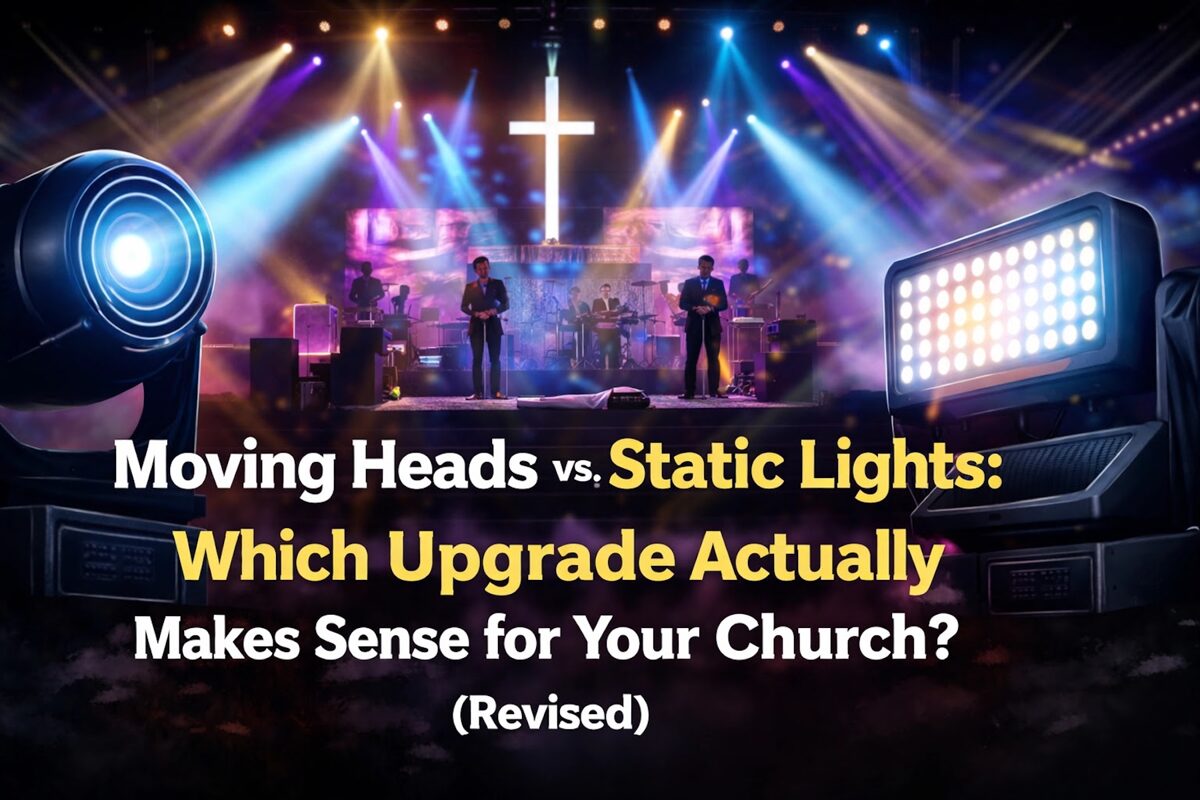
If you've spent any time researching lighting upgrades for your church, you've probably found yourself staring at product pages wondering: Do we really need moving heads, or are we just chasing the cool factor?
It's a fair question. Moving head fixtures look incredible, there's no denying that. But they also come with a higher price tag, more complexity, and a steeper learning curve. Meanwhile, static lights have been the backbone of church lighting for decades, offering reliability and simplicity that's hard to beat.
So which upgrade actually makes sense for your church? Let's break it down.
The Case for Moving Heads: Flexibility and the "Wow Factor"
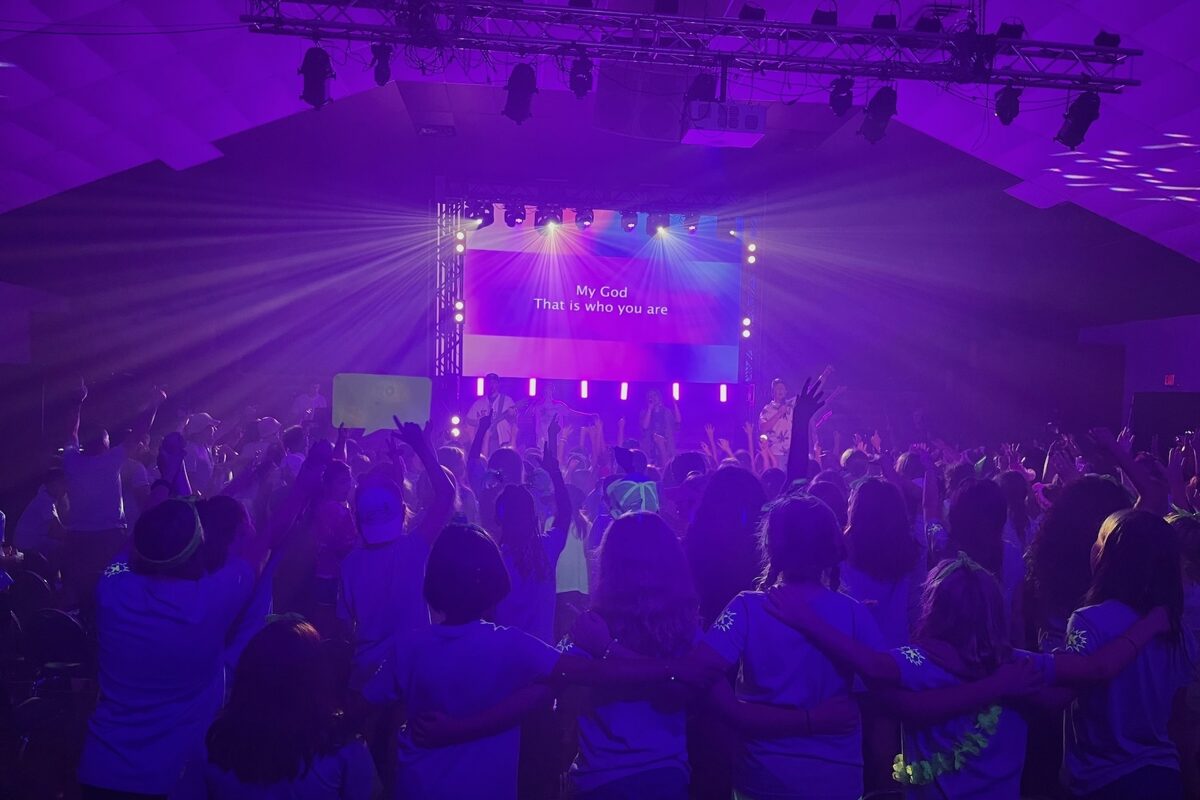
Moving head lights have become increasingly accessible for churches, especially now that LED versions have dramatically reduced maintenance costs compared to traditional lamp-based fixtures. If your worship services feature varied production elements, think dynamic worship sets, special events, or youth-focused gatherings, moving heads can take your environment to another level.
One Fixture, Multiple Jobs
Here's where moving heads really shine (pun intended): a single moving head can do the work of several static fixtures. Need a key spot on your worship leader during verses? Done. Want dramatic aerial beams during the chorus? Same fixture. Color wash across the stage for a reflective moment? You got it.
This versatility means you can potentially reduce your total fixture count, which is great news if you're dealing with weight limits on your ceiling or truss system. Fewer fixtures also means less clutter and a cleaner overall look.
Dynamic Visual Engagement
Let's be honest, moving heads create moments. When those beams start sweeping through haze during a powerful worship song, something shifts in the room. It's not about entertainment for entertainment's sake; it's about creating an environment that draws people into the moment.
For churches trying to connect with younger audiences or those who want their weekend services to feel fresh and engaging, moving heads deliver visual energy that static fixtures simply can't match.
The Trade-Offs
But here's the reality check: moving heads require a higher upfront investment. We're talking more complex programming (each fixture has way more parameters to control), heavier power demands, and increased cooling requirements. They also have more mechanical parts, motors, gear trains, encoders, which means more potential failure points and higher maintenance needs over time.
If your tech team is already stretched thin, adding moving heads to the mix might create more headaches than highlights.
The Case for Static Lights: Reliability and Simplicity
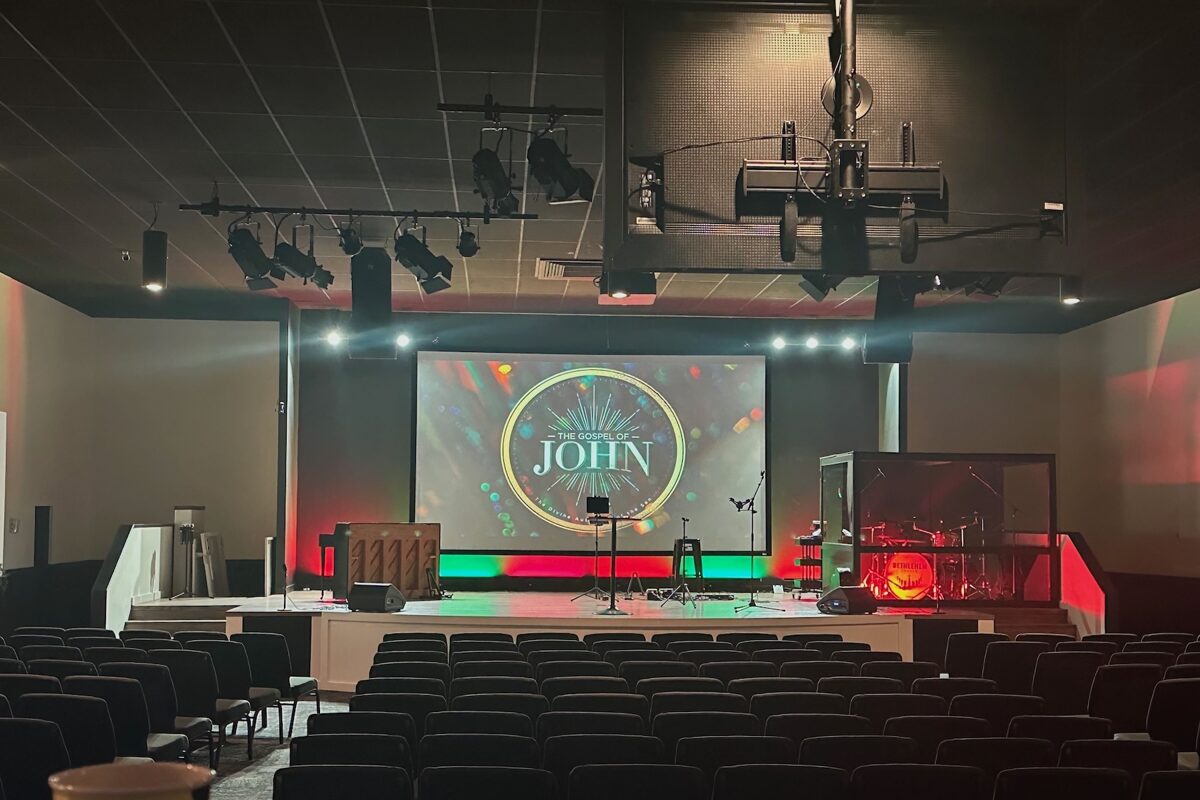
Static LED lights have earned their place in churches, theaters, and TV studios for good reason. They're lighter, simpler to rig, more energy-efficient for continuous use, and have far fewer mechanical parts that can fail.
Predictable Performance
If your church operates on a fairly fixed lighting design, same stage setup week after week, consistent service flow, predictable needs, static lights are incredibly forgiving. You set them, program your cues, and they deliver the same results every Sunday without drama.
For churches running on tighter budgets, static fixtures make a lot of financial sense. Lower upfront costs, minimal maintenance, and simpler control systems mean you can stretch your dollars further and still create a great-looking environment.
Volunteer-Friendly Operation
Here's a big one: most churches don't have a full-time lighting director on staff. You've got volunteers, amazing, dedicated people who might only run lights once or twice a month.
Static lights are significantly easier to train volunteers on. Fewer parameters, less complexity, and more straightforward programming means your team can feel confident at the console without months of training.
When something goes wrong (and something always goes wrong eventually), troubleshooting static fixtures is usually more straightforward too.
The Trade-Offs
The downside? Static lights are, well, static. They point where you aim them and stay there. If you want to change the look dramatically, you're either reprogramming color and intensity or physically re-aiming fixtures, not exactly something you can do mid-service.
For churches that want variety and visual movement, an all-static rig can start to feel limiting over time.
What About Your Livestream?
This is a factor that didn't matter much a decade ago but is now critical for most churches: how does your lighting look on camera?
Moving heads can create stunning on-camera moments, but they also introduce challenges. Fast movements can strobe or flicker on certain camera settings. Bright beams pointed toward the audience might wash out your shot. And if your camera operator isn't coordinating with your lighting operator, you can end up with awkward moments where the light moves away from the person speaking.
Static lights, on the other hand, provide consistent illumination that's easier to white-balance and expose for. Your camera team knows exactly what to expect, and your livestream viewers get a stable, professional-looking image.
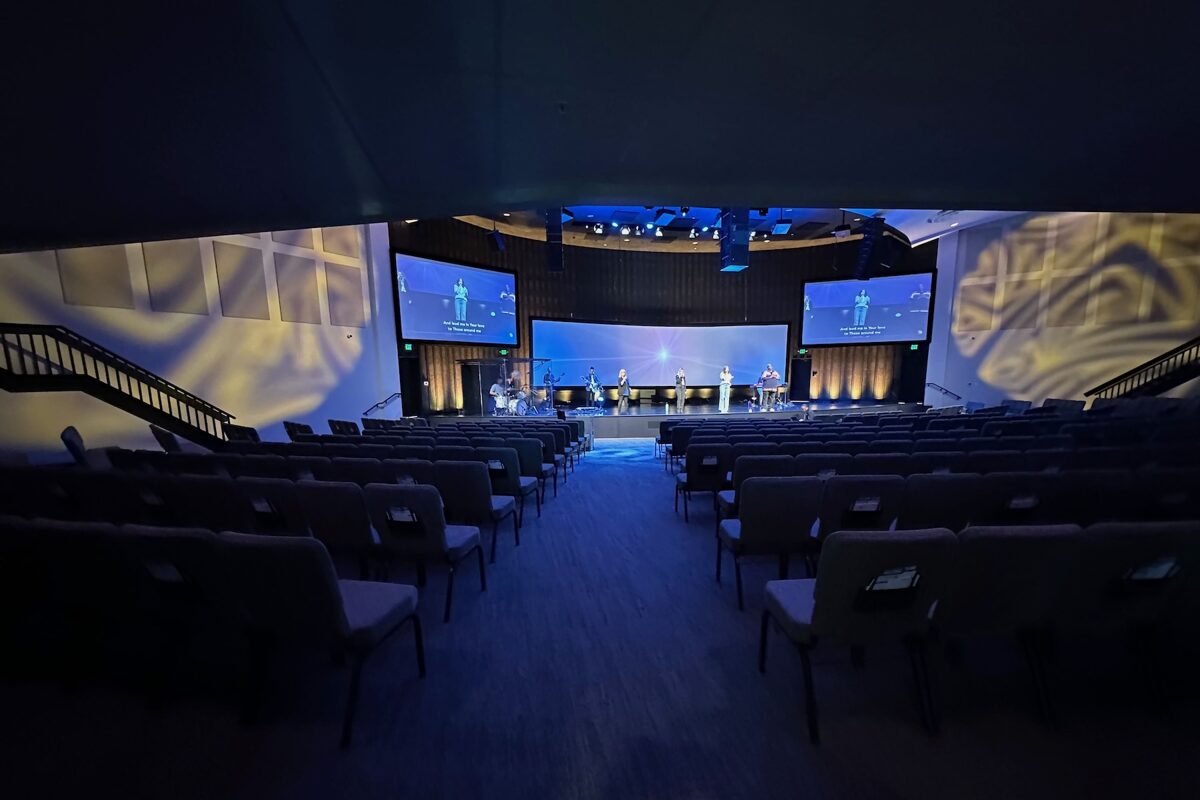
The sweet spot for many churches? A combination of both, static fixtures handling your key lighting and front wash, with moving heads adding accent and atmosphere that your camera can capture without chasing.
The Hybrid Approach: Best of Both Worlds?
Speaking of combinations, hybrid moving head lights designed specifically for church environments have become increasingly popular. These fixtures offer "true 3-in-1 functionality", spot, beam, and wash capabilities in a single unit, which can reduce the need for multiple fixtures and support versatile lighting designs with smaller rigs.
Hybrid fixtures are ideal for churches transitioning from an all-static system to something more dynamic. You get flexibility without going all-in on a full moving head rig.
The trade-off? Hybrid designs may not excel in any single area the way dedicated fixtures do. A dedicated spot will outperform a hybrid in spot mode; a dedicated beam will be brighter and tighter than a hybrid's beam. And hybrid fixtures can still be complex for beginner technicians or volunteers to operate.
Key Questions to Ask Before You Upgrade
Before you start shopping, take some time to honestly assess your situation:
- What are your creative needs? Do you want dramatic, dynamic effects that change week to week? Or do you need consistent ambient lighting that supports your services without drawing attention to itself?
- What's your budget, really? Moving heads cost more upfront, but they also cost more to maintain and program. Can you afford the total cost of ownership, not just the purchase price?
- Who's running your equipment? If you have trained technicians on staff, moving heads are manageable. If you're relying on volunteers who rotate in and out, simpler might be better.
- What are your venue constraints? Check your rigging weight limits, available power, and HVAC capacity. Moving heads generate more heat and draw more power: make sure your building can handle it.
- How important is your livestream? If online viewership is a significant part of your ministry, factor in how your lighting choices will translate to camera.
Making the Right Call
There's no universal "right answer" here. Some churches will benefit enormously from investing in moving heads. Others will be far better served by a well-designed static system. And many will find that a thoughtful hybrid approach: strategic moving heads supplemented by reliable static fixtures: gives them the flexibility they want without overwhelming their team or budget.
The goal isn't to have the flashiest rig in town. It's to have lighting that serves your ministry, supports your team, and helps create an environment where people can encounter God.
Ready to figure out what makes sense for your space?
Reach out to the team at SM Lights: we'd love to help you design a lighting system that fits your ministry, your team, and your budget.